
Master skills, explore new ideas, and build your teaching toolbox with free live, recorded, and on-demand training.
Learn about services designed to build educator capacity and cultivate dynamic educational experiences for students.
We’ve got answers. Visit our Support Desk to learn how to set-up and use your My iCivics Account.
Explore opportunities we’ve designed to create community and build your expertise.
Still stuck? Our Support team is standing by to help. Submit a request and we’ll be in touch.
Election Day provides one of the most authentic learning opportunities of the year.
But what if it wasn’t just a single Tuesday in November?
What if Election Day were every Tuesday, all year round?
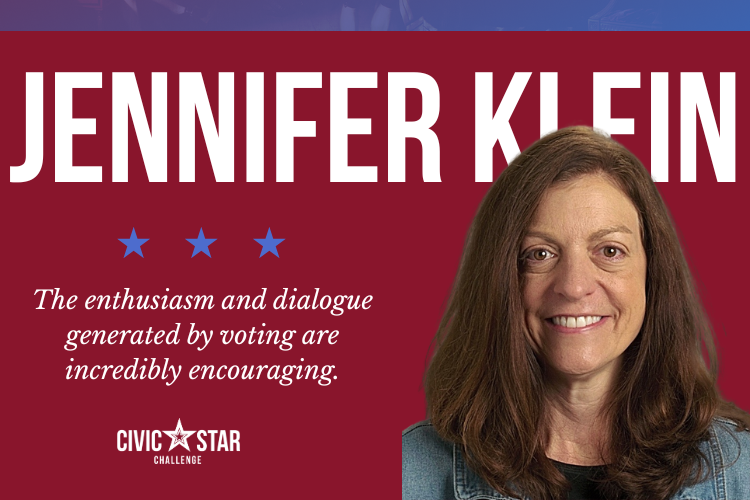
Through iCivics, I discovered On Tuesday We Vote, a biweekly initiative that invites students to engage with a thought-provoking question. Every other Tuesday, a new topic is presented for students to consider and cast their votes. I loved the approach of making civic participation a regular part of school life. So for the Civic Star Challenge, I decided to expand it beyond my classroom. By moving it into the hallway, all students, teachers, and staff members can take part.
My goal was to make voting and dialogue visible, accessible, and even routine. Civic education should be more than a class—it should be part of the culture of a school.
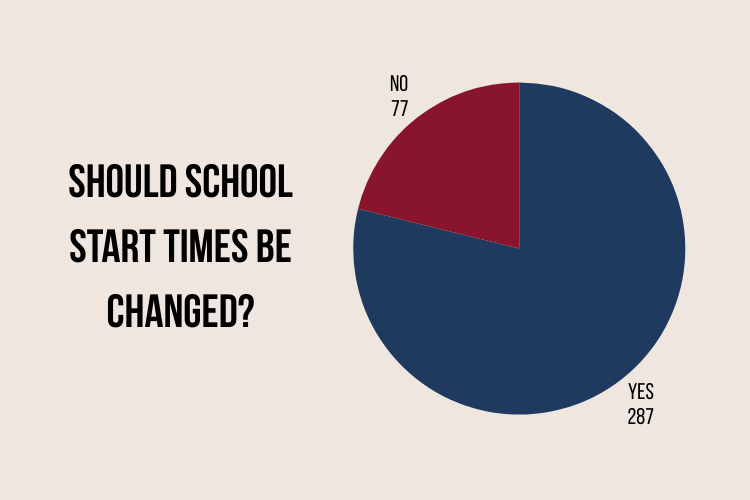
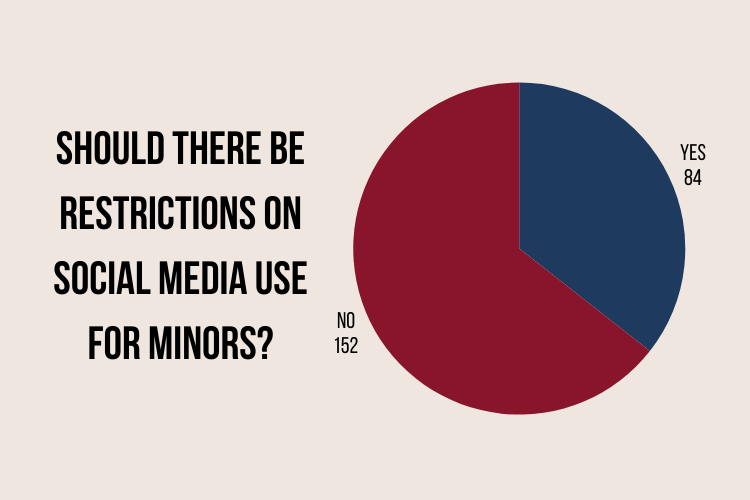
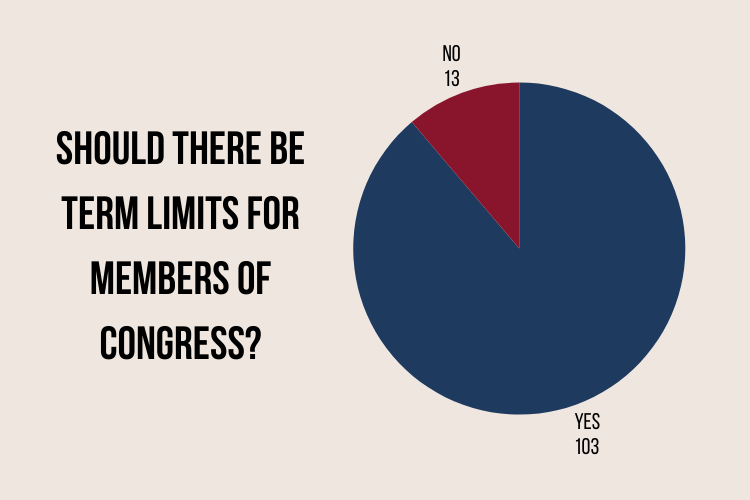
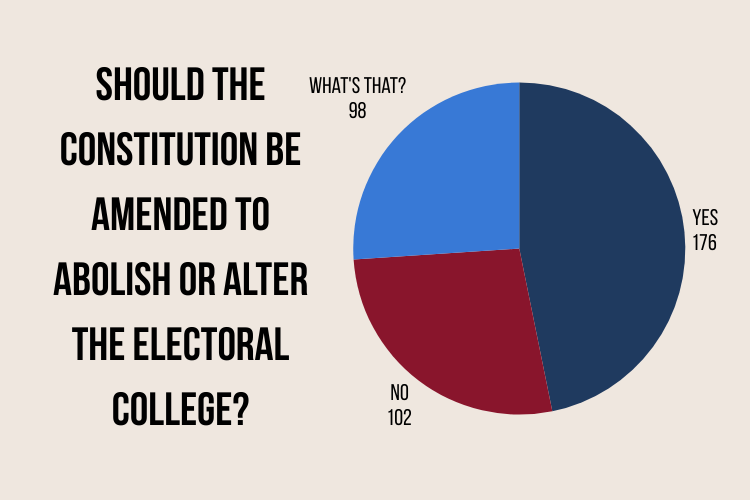
Between class periods, I loved watching students stop, talk about the topic with a friend, and then cast their votes. Some recent ballot measures included:
But that kind of result actually excites me as a civics educator. I spotted a group of ninth grade boys who had left lunch early to vote and were asking each other what the Electoral College was. I pulled out an electoral college map and explained it to them—yes, I’ll admit it was a hallway impromptu lecture! Seeing them interact with the content and each other, and then make up their own minds, was so unexpectedly fun. Now, all of the boys vote weekly and stop to say hi to me.
And perhaps the most contentious of all:
Is pineapple an acceptable pizza topping?
As of writing this post, I don’t have the official vote total. But I’ll say that my informal exit poll suggests that pineapple is on the way out!
It’s incredibly rewarding to witness civic confidence develop in real time. Students who were once hesitant to share their opinions are now leading discussions, listening thoughtfully, and even bringing in outside sources to support their views. Watching them evolve from passive observers into active participants is the most gratifying part of teaching civics. It’s also great to see friends voting differently and yet still being friends. Whether the subject is term limits or pizza toppings, these discussions are a starting point for creating a more civil society.
About Jennifer
In addition to her long-standing work as a public school teacher in Pittsburgh, Jennifer also serves as a College Board Table Leader and Retro Report Teacher Ambassador, and is a member of the National Constitution Center’s Teacher Advisory Council.

Last September, I set a goal for myself: to find a game for every standard I teach. In other words, to gamify the entire school year. While 6th graders can’t vote—and they often feel that participating in civic life is something only their parents can do—games put them in the

My main drive as an educator is to teach literacy as a way of understanding the world. My focus is not just reading and writing, but building literacy in how students navigate the internet, politics, and the world around them. It’s about vetting sources, understanding if what you’re reading is
A few years ago, one of my colleagues invited Mary Beth Tinker to speak at our school—she was the student plaintiff in the landmark case Tinker v. Des Moines. It was an incredible experience to hear her calmly describe what it was like to participate in the case, recounting each
Subscribe today to be the first to explore new resources, receive encouragement and support, and get timely lessons delivered straight to your inbox.