We don’t stop teaching algebra when working with polynomials gets hard. Nor should we stop teaching civics when explaining the rule of law gets hard.
You can teach hard things—and should! But you don’t have to do it alone. Let iCivics support you as you navigate the growing challenges of teaching essential civics concepts amidst historic polarization.
Ready to get started? Choose the path that’s right for you.
There is a real sense of fear and anxiety among teachers right now—and we get it! There is a lot to be concerned about. According to research from RAND, 65% of teachers nationally report limiting discussions about political and social issues in class. The growing political divide in our communities has created a hesitation or all-out avoidance of approaching foundational civics and history topics.
This initiative is not about telling you how to teach. It is about giving you access to teachers across political and socioeconomic divides who are navigating the same challenges and questions, and giving you the tools and confidence to teach your way.
Upcoming Webinars
We Teach Hard Things, like Voting Rights
Join us to discuss strategies and tools for navigating the growing challenges of teaching essential civics concepts, like Voting Rights, amid historic polarization.
Chief Education Officer Emma Humphries shares instructional guidance, curated materials, and real-world examples of responsibly and effectively teaching civics topics in this moment.
Dive into a Deeper Explanation
Looking to learn more about We Teach Hard Things and the purpose behind it? Check out these blog posts, which go more in-depth with the research behind the suggestions made in Emma’s videos.
Teach students about the history of immigration in the United States, and dig into the path to citizenship, immigration reform, and let students try their hand at part of the naturalization test.
WebQuest
6-8, 9-12
Reapportionment & Redistricting
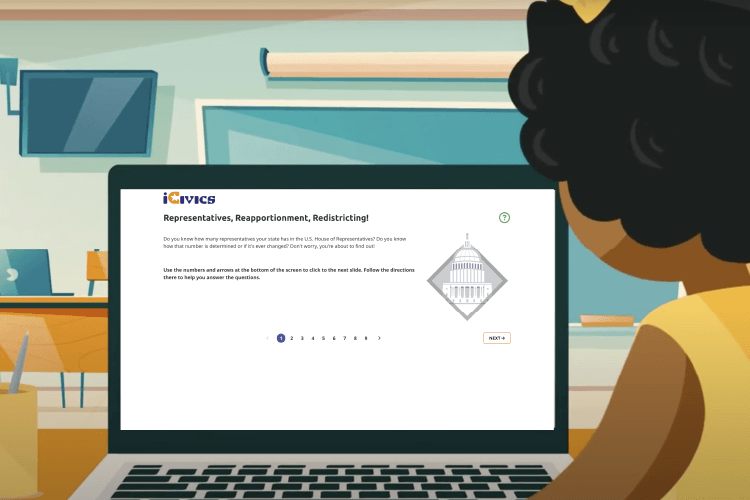
In this WebQuest, students will explore the ins and outs of apportionment including what it is, how often it’s adjusted, and how districts are redrawn. Students will also take a look at gerrymandering and its impacts.
In this lesson, students learn about the U.S. process of immigration, including requirements for legal permanent residence, the path to citizenship, and how some are pushing for immigration reform.