
In 2016, the U.S. House of Representatives recognized April as National Bilingual/Multilingual Learner Advocacy Month. English and multilingual learners are one of the fastest-growing populations in U.S. schools.
According to the U.S. Department of Education, there are currently more than 5 million English (ELs) and multilingual learners (MLs) in the public school system and 75% of them (about 3.8 million) are Spanish speakers.
In 2017, iCivics began creating resources designed specifically to support ELs/MLs as they learn content and develop their language skills simultaneously. We convened a council of EL/ML experts at the U.S. Supreme Court in Washington, D.C., and they helped us brainstorm ways to make the game Do I Have A Right? more accessible for our students. The new game featured supports—both inside and outside of the game—including the option to play in Spanish.
We added these supports to ensure that our resources are adaptable and appropriate. These materials:
- build on students’ strengths
- challenge and support multilingual learners
- offer engaging opportunities to learn including practice with reading, writing, listening, and speaking
- have supports/scaffolds as needed
- help build a classroom culture that is a welcoming place where students can speak respectfully to one another, diverse perspectives/viewpoints
As part of our mission, iCivics wants to encourage multilingual learners to become engaged members of their communities, within and beyond the classroom.
¿Quė? ¡¡10 JUEGOS!! What? 10 Games!!
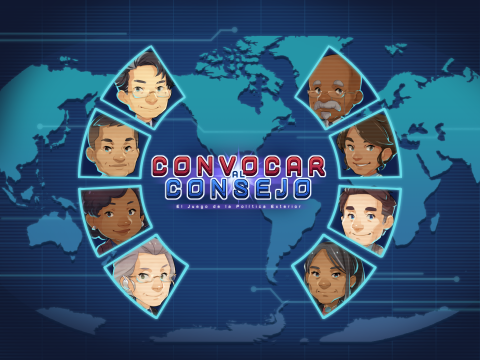
We now have 10 games with supports for ELs/MLs and the option to play in Spanish, including English-language voiceover, glossary, decision support tools, and a content guide, as well as pre- and post-game activities found in the game-specific extension packs. (See all 10 games listed on our ELL landing page.) Our newest game is Convene the Council, or Convocar al consejo in Spanish, with an Extension Pack that includes pre- and post-game activities and instruction.
¡Y hay más! And there’s more!
This mini-lesson covers the basics of the Supreme Court’s decision that required public schools to provide language supports to English and multilingual learners.
Make iCivics Lessons accessible and EL student-friendly with Kami
Whether your classroom is online, hybrid, or in-person, EL-student-friendly and accessible learning are more important than ever. This blog post highlights a few tools from Kami that help students engage with iCivics lessons in an inclusive way.
Written by Kristen Chapron
Kristen Chapron is Senior Editor of Digital Learning and ELL at iCivics. She has worked on all 10 bilingual games and looks forward to creating even more materials for English and multilingual learners. ¡Adelante! Let’s go!