
Updated for May 2023
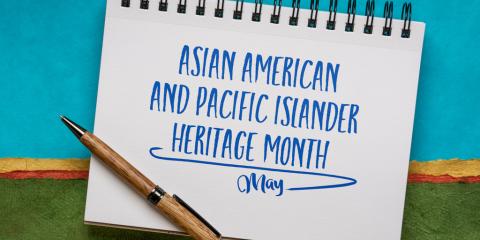
The month of May honors the generations of Asian Americans and Pacific Islanders (AAPI) who have enriched the history of the United States and continue to ensure its success. In celebration of this month that presents an opportunity to introduce classroom discussions and reflections about the contributions of Asian Americans and Pacific Islanders to our collective history, we are sharing resources from iCivics to support learning and conversations in the classroom.
Four iCivics Resources to Use This Month
VIDEO: Patsy Mink: Changing the Rules
In this video, students meet Patsy Takemoto Mink, a third-generation Japanese American born and raised in Hawaii, who was the first woman of color elected to Congress.
LESSON: United States v. Wong Kim Ark
This mini-lesson introduces students to Wong Kim Ark, who was born in San Francisco, California, to Chinese immigrant parent. He sued the United States to be recognized as a citizen, and his case led the Supreme Court to establish that the 14th Amendment to the U.S. Constitution granted citizenship to almost everyone born in the United States.
LESSON: Korematsu v. United States
Students will meet Fred Korematsu, a U.S. citizen born in the United States to Japanese parents who refused to relocate to an internment camp during World War II. This mini-lesson covers the basics of the Supreme Court’s decision that the government acted constitutionally in interning Japanese Americans, and explores the effects of this decision.
LESSON: Lau v. Nichols
In this mini-lesson, students learn about Kenney Kimmon Lau who, when the schools in San Francisco were integrated, was one of the 1,800 students of Chinese ancestry who did not speak English but were placed into classes taught only in English. His case resulted in the Supreme Court decision that required public schools to provide language supports to English and multilingual learners.