Jennifer expands civic education beyond her classroom with Civic Star Challenge
Teaching with iCivics
Jennifer expands civic education beyond her classroom with Civic Star Challenge
Election Day provides one of the most authentic learning opportunities of the year.
But what if it wasn’t just a single Tuesday in November?
What if Election Day were every Tuesday, all year round?
Through iCivics, I discovered On Tuesday We Vote, a biweekly initiative that invites students to engage with a thought-provoking question. Every other Tuesday, a new topic is presented for students to consider and cast their votes. I loved the approach of making civic participation a regular part of school life. So for the Civic Star Challenge, I decided to expand it beyond my classroom. By moving it into the hallway, all students, teachers, and staff members can take part.
My goal was to make voting and dialogue visible, accessible, and even routine. Civic education should be more than a class—it should be part of the culture of a school.
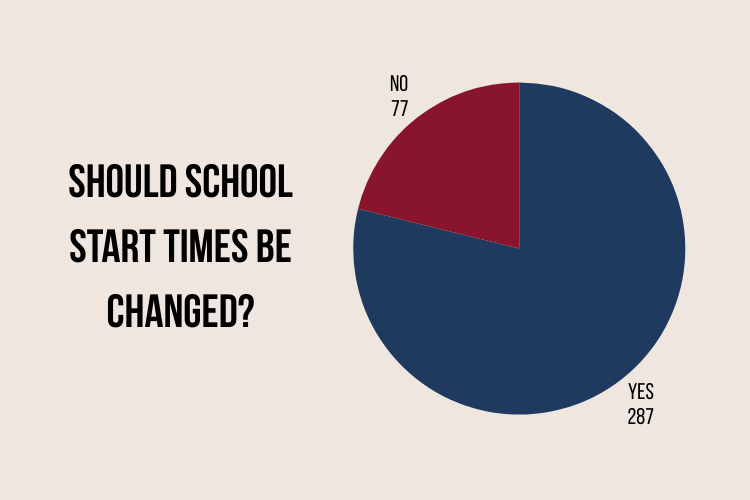
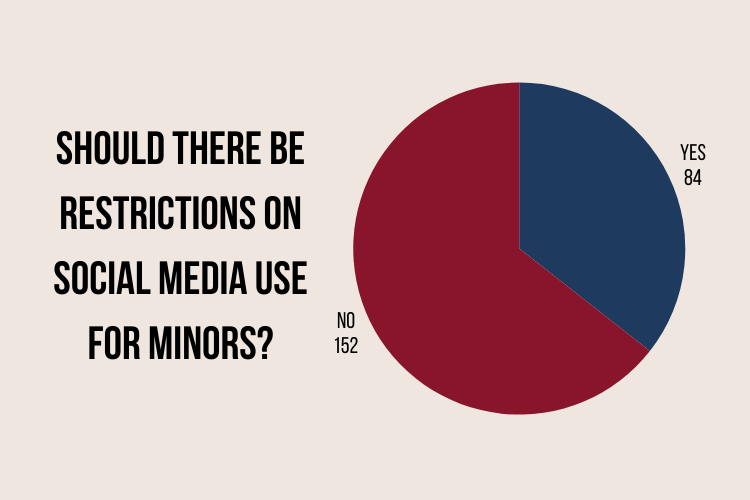
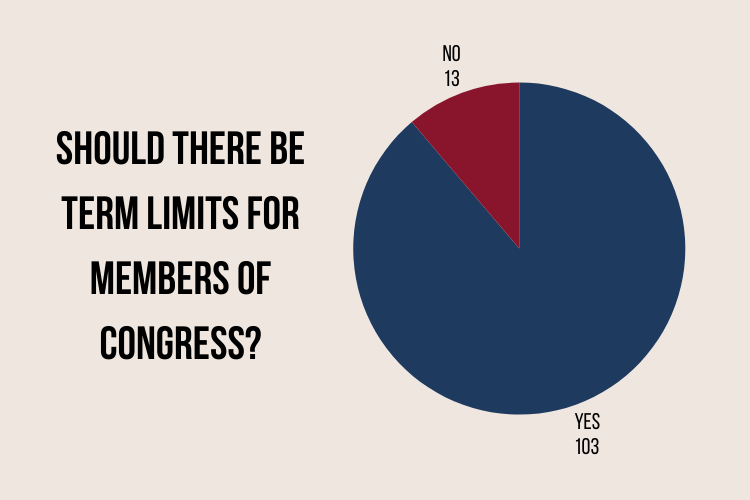
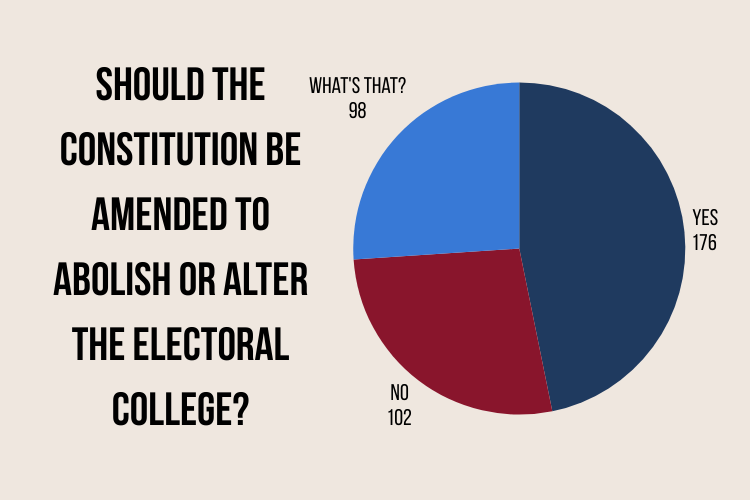
Between class periods, I loved watching students stop, talk about the topic with a friend, and then cast their votes. Some recent ballot measures included:
The students voted overwhelmingly to start their school days later.
This question had students weighing personal freedom against the protections of oversight.
Despite the strong support for term limits, a few students made thoughtful arguments about experience and institutional knowledge.
This vote exposed a real blind spot for students.
But that kind of result actually excites me as a civics educator. I spotted a group of ninth grade boys who had left lunch early to vote and were asking each other what the Electoral College was. I pulled out an electoral college map and explained it to them—yes, I’ll admit it was a hallway impromptu lecture! Seeing them interact with the content and each other, and then make up their own minds, was so unexpectedly fun. Now, all of the boys vote weekly and stop to say hi to me.
And perhaps the most contentious of all:
Is pineapple an acceptable pizza topping?
As of writing this post, I don’t have the official vote total. But I’ll say that my informal exit poll suggests that pineapple is on the way out!
It’s incredibly rewarding to witness civic confidence develop in real time. Students who were once hesitant to share their opinions are now leading discussions, listening thoughtfully, and even bringing in outside sources to support their views. Watching them evolve from passive observers into active participants is the most gratifying part of teaching civics. It’s also great to see friends voting differently and yet still being friends. Whether the subject is term limits or pizza toppings, these discussions are a starting point for creating a more civil society.
About Jennifer
Teaching experience: 30 years
Currently teaching: AP U.S. Government and Politics
In addition to her long-standing work as a public school teacher in Pittsburgh, Jennifer also serves as a College Board Table Leader and Retro Report Teacher Ambassador, and is a member of the National Constitution Center’s Teacher Advisory Council.
Adam uses hands-on learning to teach civic engagement
I teach civic engagement the way a CTE (career and technical education) teacher might teach cooking: with hands-on learning. Students need to learn the skills, but they also need to practice using them. That approach also allows students to think critically, problem-solve, and collaborate with their peers and community. At
I started my teaching career in North-Central Florida just over 20 years ago. I remember my job interview well. Yes, I was nervous, and yes, I brought a folder stuffed with surely too many assets printed on thick parchment-style paper. But I digress. Beyond the usual interview questions, the principal
STATUS: Resolved Login issues have been resolved and all services are currently operating normally. We appreciate your patience while we worked through this. If you continue to experience any difficulties accessing your account, please reach out to our support team for further assistance. We are aware that some Clever users