
By Louise Dubé, iCivics, and Danielle Allen, Democratic Knowledge Project
Civic Learning Week (CLW) lit up the nation with a powerful message: civic renewal has taken root in classrooms and local communities. Against a backdrop of continued challenges related to polarization and falling faith in institutions, civic educators, civic leaders, and students all over the country shared messages of recommitment to our founding ideals, our responsibilities as citizens, and the importance of pluralism. They reached millions of Americans. It was another inspiring, momentum-building spotlight for civics.
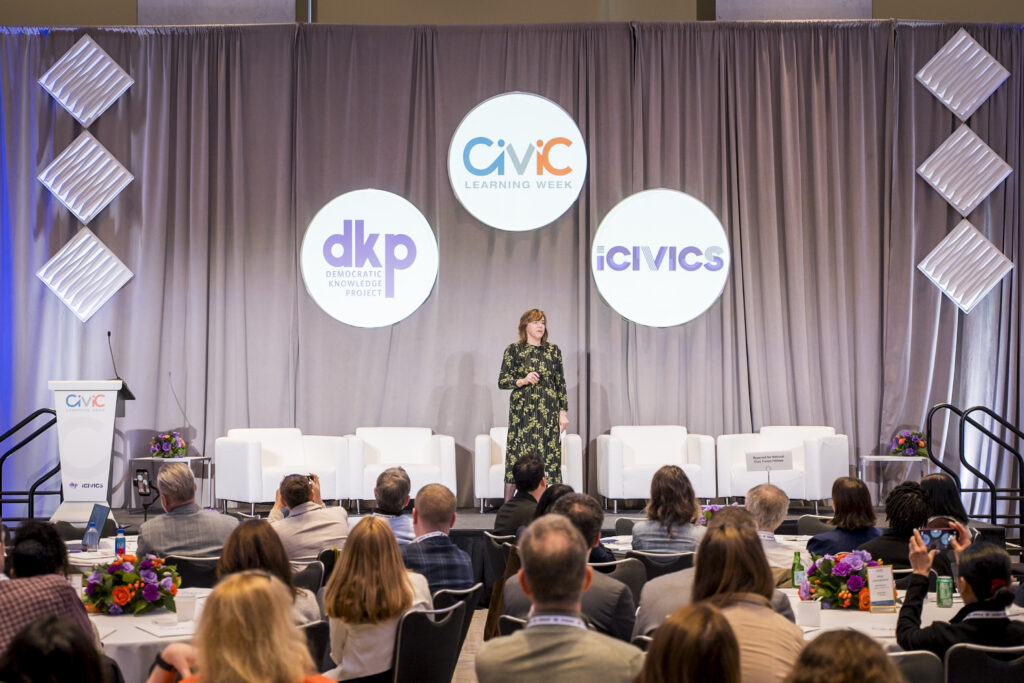
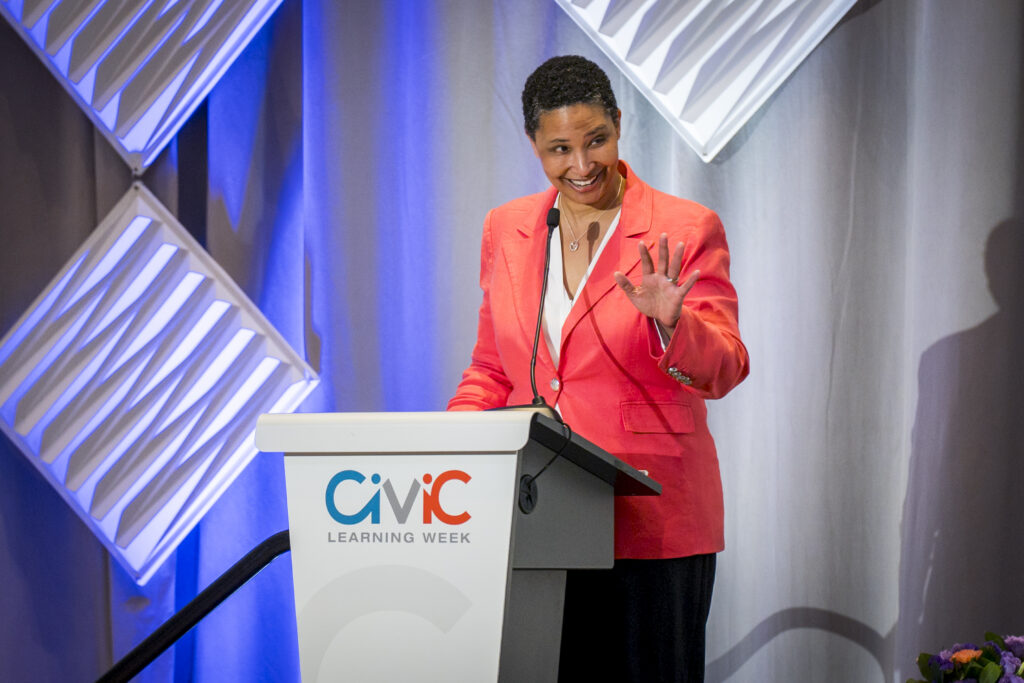
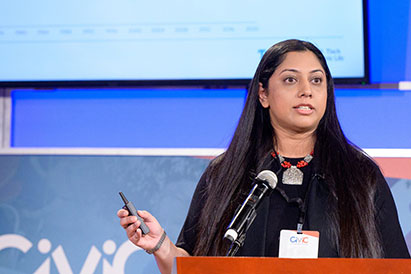
The week began in Philadelphia, where more than 500 educators, students, policymakers, scholars, and civic leaders gathered for the CLW National Forum, with more than 1,000 others joining by livestream. Co-hosted by iCivics and the Democratic Knowledge Project under the theme “Liberty and Learning: Civic Education at 250,” the Forum brought the civic learning movement into sharp focus.
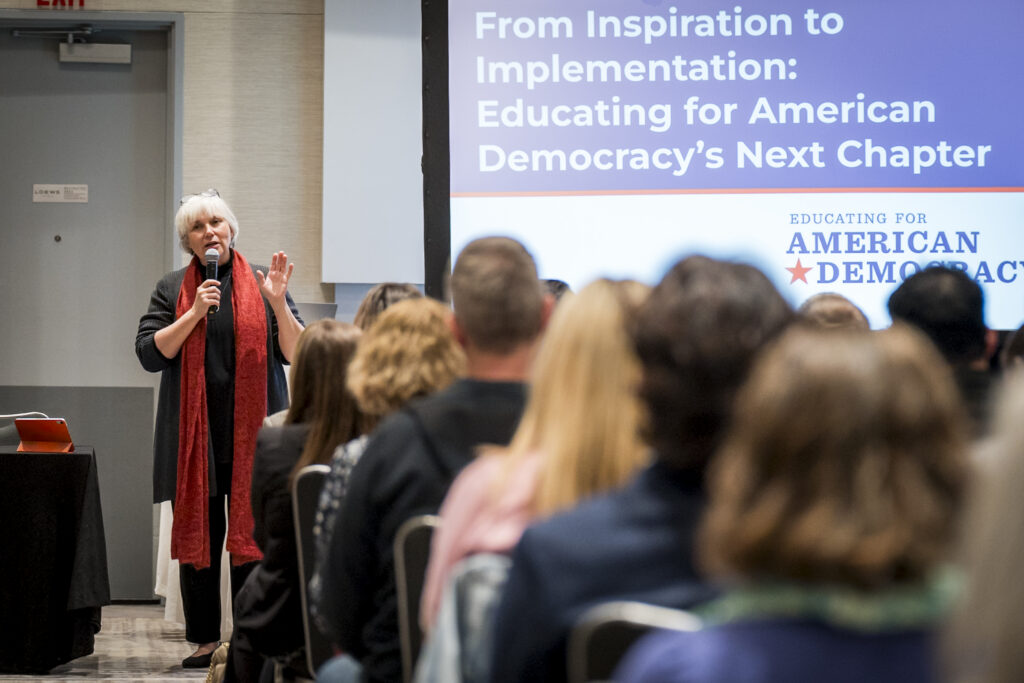
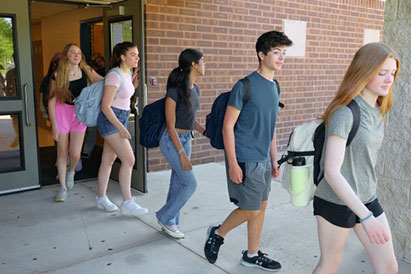
For the first time, hundreds of students and educators participated alongside national thought leaders, a shift that brought unmistakable energy and transformed the gathering. The pre-Forum session for teachers on the Educating for American Democracy (EAD) framework saw an incredible turnout. The framework provides a foundation for efforts to strengthen pluralistic civic education across the nation.
Relatedly, an iCivics survey of more than 2,000 civics teachers that was unveiled during the Forum showed that 89% of respondents agree that their teaching should ground students in core civic knowledge, skills, and dispositions; prepare students to be engaged citizens in a democracy; foster respect for a pluralistic society with diverse viewpoints; and connect constitutional principles to current events.
In Forum appearances and conversations—from historians Jill Lepore and bipartisan state education policymakers, civic leaders, young people themselves, and others—one idea rang clear: civic learning and civic skills are not abstract. They are lived, practiced, and urgently needed by young people and people of all ages in a democracy and economy undergoing significant transformation.
That shared belief, energy, and activity extended far beyond Philadelphia. CLW was celebrated by more than 200 organizational partners, with activities registered in more than 30 states and 25 official proclamations issued at last count. From student conversations with U.S. Supreme Court Justice Sonia Sotomayor, to national programming tied to Ken Burns’ The American Revolution, to classroom debates, museum exhibits, and community forums, the week demonstrated the breadth of civic life in action. The media reach was equally striking: more than 1,100 placements alongside more than 140 social media mentions generated a reach of more than one billion.
The deeper CLW story, however, is about substance. As CLW showed, democracy is sustained by an accumulation of everyday acts, not grand gestures alone. Small is mighty: this is the essence of the American experiment. When small acts multiplied across thousands of classrooms and communities, they become a force capable of repairing our frayed civic fabric.
We wanted to share a compelling short video that speaks to the collective commitment, energy, and passion that pulsed through all of the activities during CLW. During an event in Philadelphia at the Please Touch Museum, two teachers—Kimiyo Cain of Holy Cross Catholic School and Trey Smith of Marian Anderson Neighborhood Academy (School District of Philadelphia)—delivered a 13-part toast to civic educators of all stripes that resonated deeply.
We are grateful to the partners and funders who made this work possible, including the Bezos Family Foundation, MacArthur Foundation, Daniels Fund, Ibis Group, Jack Miller Center, More Perfect, and the Hoover Institution’s Center for Revitalizing American Institutions. We also received support from other committed collaborators including Maher Charitable Trust, Connelly Foundation, and Business Roundtable. Our CLW Forum Steering Committee, Host Committee, and Education Committee also played a vital role in designing and building support for the event.
As we look ahead to July 4, the 250th anniversary of the Declaration of Independence, the task is clear. We must carry the energy of CLW forward, ensuring that this anniversary becomes more than a commemoration.
If we succeed, the legacy of this year will not be measured in events or headlines, but in something far more enduring: a renewed commitment to civic knowledge, civic virtue, and civic participation. That is how we honor our founding ideals and how we prepare the next generation to carry them forward.