Black History Month offers a powerful opportunity to explore how Black Americans have shaped our nation and its civic life from its very beginning.
This year, iCivics’ resources are organized into easy-to-navigate themes, making it simple to integrate Black History Month into your curriculum. Each theme has options for high school, middle school, and elementary.
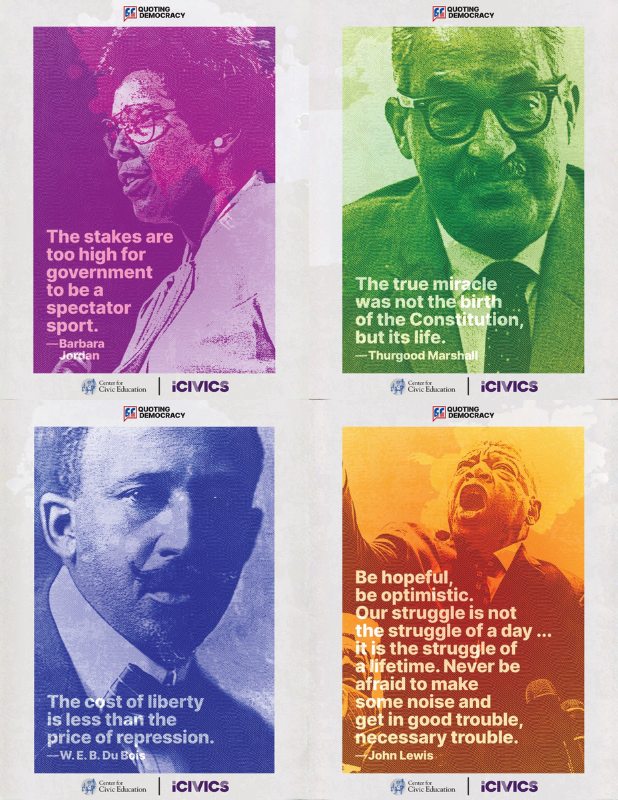
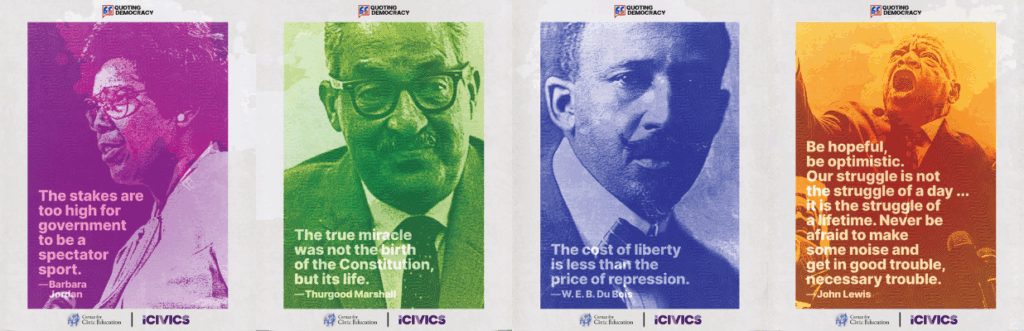
And be sure to get iCivics’ brand-new, printable Black History Month posters. The posters highlight inspiring civic quotes from iconic Black figures and showcase artwork from Quoting Democracy, a collaboration between iCivics and the Center for Civic Education.
From our nation’s founding, the claim was made that when a government no longer protects its people by ensuring their natural rights, the people have the right to demand change. Use these resources to teach students how change has shaped the history of the United States as people have pursued a greater recognition of the Declaration’s ideals. Some change is small and local. Some, like the Civil Rights Movement, affected the entire nation.
Unit
6-8, 9-12
Pushing Towards Civil Rights
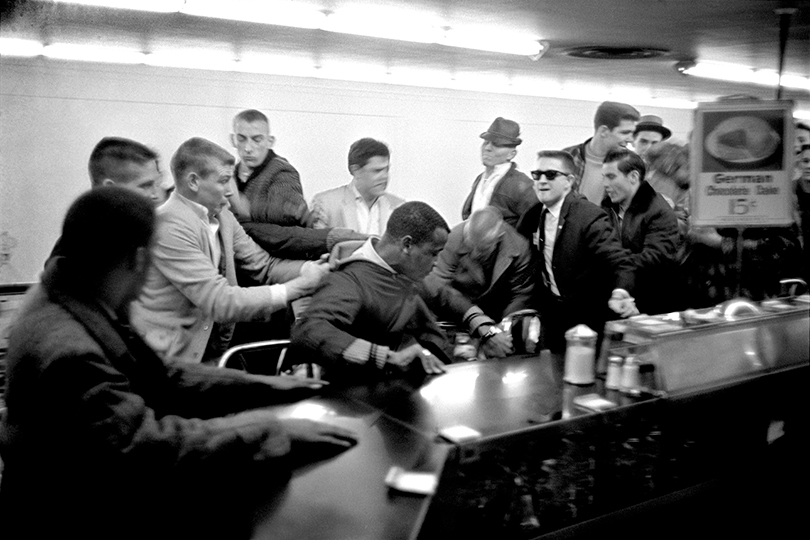
Our civil rights unit covers the expansion and abolition of slavery, women’s suffrage, the Civil Rights Movement of the 1950s and 60s, and the expansion of rights through court cases and laws.
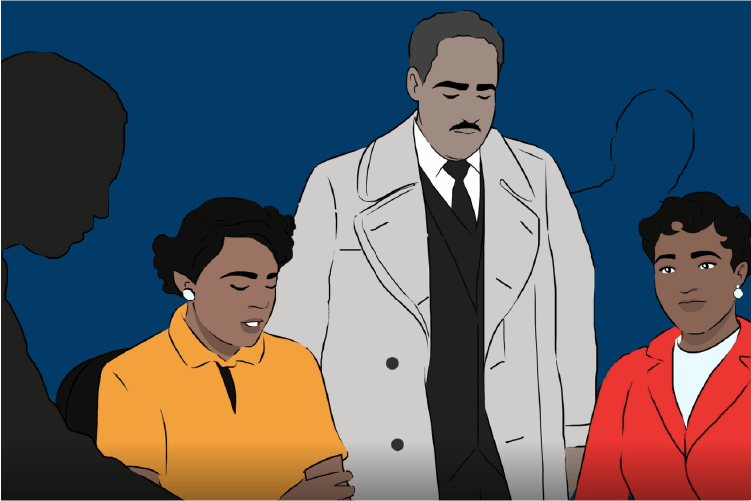
Stepping Forward: The Fight for College Integration
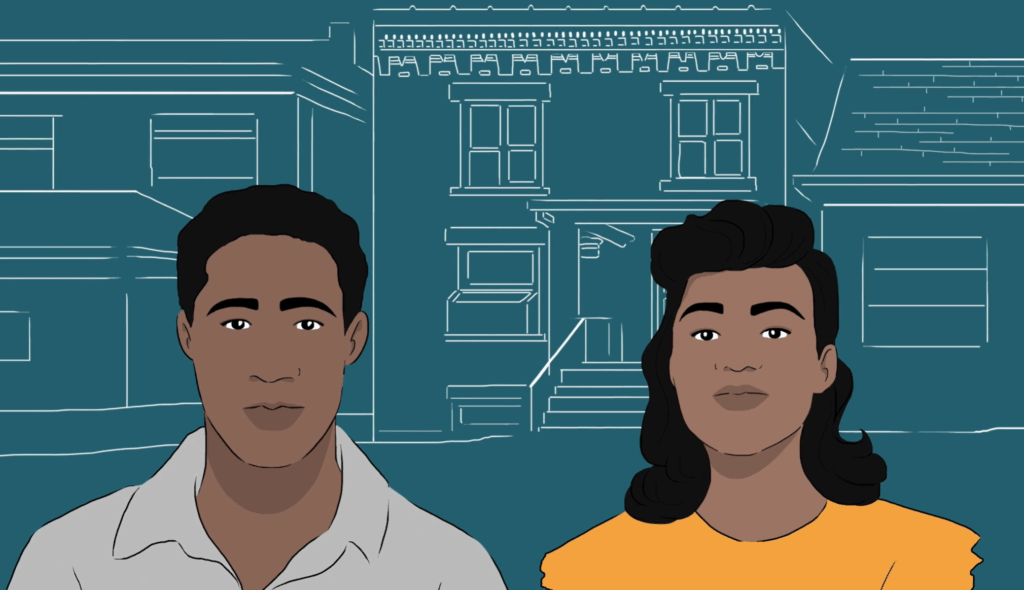
In this video, students learn about the courage of Autherine Lucy and Pollie Ann Myers, who were denied admission to university due to the color of their skin.
The government derives its power from the consent of the governed. Civic engagement empowers people to recognize their history and work to improve the country. Teach with the resources below to show students the value of active citizenship.
Lesson Plan
6-8, 9-12
Landmark Library
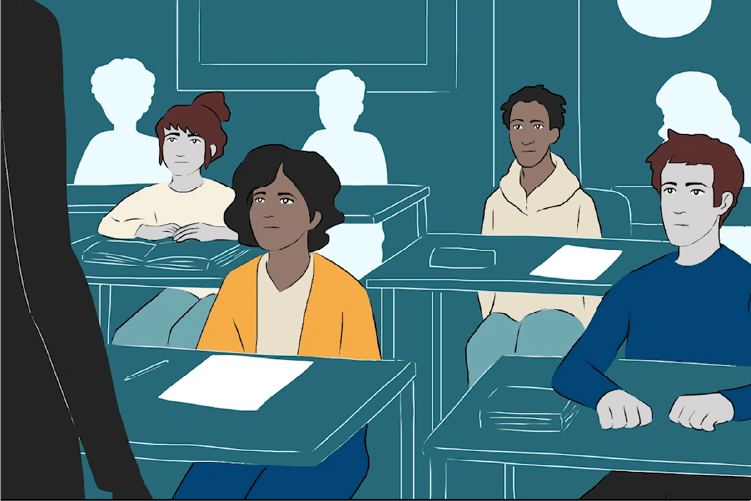
Brown v. Board of Education (1954)
This mini-lesson covers the basics of the Supreme Court’s decision that overturned “separate but equal” in public schools.
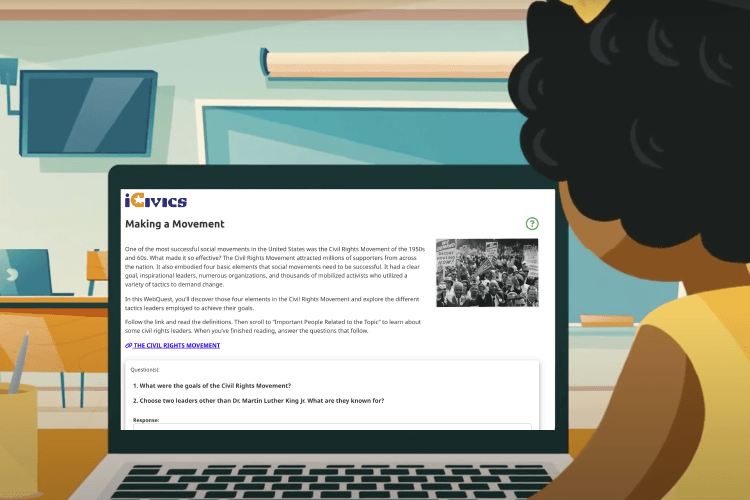
What makes a movement successful? The people? The actions? The outcome? Students find out that answering this question is more involved than it may seem.
“Life, liberty, and the pursuit of happiness” is more than a catchy phrase. It embodies some of our nation’s fundamental values in stating that all people are born with rights that no government can take away. Use these resources to teach students how Constitutional amendments, federal laws, executive orders, and court decisions have extended these foundational ideals of equal opportunity and the protection of rights to more groups of people.
Lesson Plan
6-8, 9-12
Landmark Library
Dred Scott v. Sandford (1857)
This mini-lesson covers the basics of the Supreme Court decision that determined that Dred Scott was not entitled to his freedom, and how the 13th, 14th, and 15th Amendments overturned the decision.
Students will explore how executive orders can be used to enforce the law and examine how Eisenhower justified his decision to use federal forces to help enforce equal rights for African Americans.
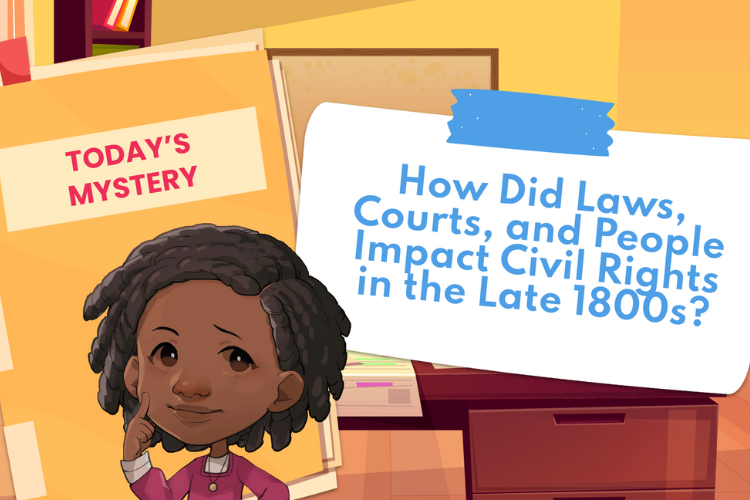
How Did Robert Smalls Help People by Being Civic-Minded?
In this lesson, students will learn about Robert Smalls’s life to answer the mystery question: How did Robert Smalls help people by being civic-minded?
Each poster features a quote from an influential Black American who made a lasting impact on the nation.
Ready to dig in?
Discover lessons designed to meet all of your instructional needs. Our nonpartisan classroom resources engage students with complex concepts in ways they can understand and relate to.