

While the nation was focused on the voting taking place on November 3, educators around the country have been playing the long game. They know it takes practice to build civic habits, so many led their students in mock voting exercises. Here are some of the things students voted on recently, from teachers’ pets to an age limit for Supreme Court justices.
Victoria Pierce
Minnesota Connections Academy — St. Paul, MN
We talk a lot about citizen rights and responsibilities, but many examples used in teaching seem more for adults than for kids. So each year, I host a “Teacher’s Pet Election” in which our middle school students vote for pets that they want to “represent” them for the year. It’s a way for them to build classroom community while also taking in a mini-lesson on voting rights, candidates and platforms, and exercising their right to vote in a nonpartisan election.
Teachers campaign by showcasing their pets with a punny party and platform. Because my school offers all instruction online, candidates can show up on our webcams during class! Unlike the ballots used by adults, ours use Google Forms. And they incorporate tips, context, videos, and prompts for reflection.
Election Day had an IMMENSE turnout this year, and the candidates and their platforms were especially adorable. The winners:
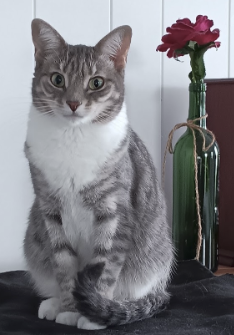
Class Pet-sident: Ahny (Purr-gressive Party Cat-didate)
“I will promote a healthier, more active lifestyle by introducing mandatory play breaks, encouraging spontaneous exercise, and making 3 AM an officially recognized time for running through the house!”
Vice Pet-sidents: Sriracha and King (The RETRIEVE-ocrats Party)
“We plan to increase play time by giving students more time to go outside!”

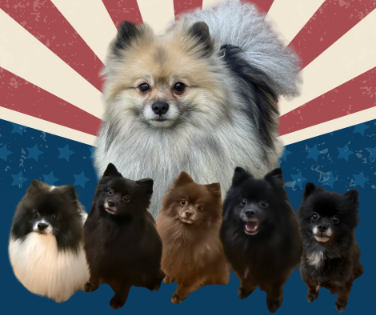
Rep-PAW-sentatives: Padme & Cabinet (The Pom Party)
“I’ll nap on camera while you work in Live Lesson (moral support!)”
I was surprised that the only cat in our lineup won the presidency, but I suspect this may have been because students with cats at home felt she was the only candidate that represented their interests. I happen to be the proud pet parent of our vice pet-sidents. A probable factor in my dogs’ win: I have a weekly “Review with Racha” and webcam time with my students, which undoubtedly raised their visibility on the campaign trail.
But I have to give it up for Clover, a runner-up from the Bark-ocratic Party, for his great slogan: “Fetching a better future.”
After the election, I also included a way for the students to upload pictures of their own pets to be part of our Pets Assembly (like a Congress), which now consists of 16 dogs, 5 cats, and a turtle.
Laura Bowersox
Derby North Middle School — Derby, KS
Our students definitely had as much election fatigue as their parents did with this midterm run. Kansas had a couple of big elections this year, and the ads were ruthless and relentless. That definitely made it more challenging to cover elections in our classroom. So we looked for a “fun” topic for students to vote on and found something near and dear to their hearts: what’s the best food?
To vote, students had to turn in their voter registration form (parent signature required!) along with their school ID. In the days leading up to the election, students campaigned with posters and flyers.
At the top of the ballot: steakburger & fries (Freddy’s Party) vs. chicken strips & cheese curds (Culver’s Party). We also added some surprise referenda, asking social studies students what treat they should be given (Skittles vs. M&Ms) — and whether treats should be given to all students or just registered voters.
While every kid had an opinion, not everyone voted. That said, on Election Day, we had 54% voter turnout (about 9 points higher than adults statewide), and the victories were decisive: Freddy’s steakburger & fries, with M&Ms for all students.
That last position – whether treats would be given to everyone, regardless of their voting status – was an important addition. In Kansas, we have had constitutional amendments added to our ballots a couple times in the last few years. This demonstrated the value of voting, especially during midterms and on local ballots!
Jennifer Klein
Fox Chapel Area High School — Pittsburgh, PA
Democracy isn’t just something you learn about in a textbook — it’s a habit you build through practice. As part of our school’s On Tuesdays, We Vote initiative, our students have been regularly flexing their voting muscles every week throughout the school year. By casting ballots on issues big and small, they are learning how to form opinions, weigh perspectives, and participate in the democratic process long before they step into an official voting booth.
Our Tuesday votes have tackled everything from constitutional debates to pop culture rivalries:
- Executive Power: When Congress takes too long to pass laws, should the president be allowed to use executive orders to fix the problem?
No: 146 | Yes: 29 - Judicial Reform: Should there be an age limit for Supreme Court justices?
Yes: 119 | No: 33 - Civil Discourse: Could you be close friends with someone who does not share your political beliefs?
Yes: 129 | No: 32
And we spiced things up during Homecoming week, matching the event’s Spider-Man theme:
- Who was the best Spider-Man?
Tom Holland: 70 votes | Andrew Garfield: 60 votes | Tobey Maguire: 19 votes | Nicholas Hammond: 17 votes
(We also held a write-in-only election for the Best Spider-Man Villain, and the student body overwhelmingly chose The Green Goblin.)
All of this is to prepare students for the real elections they’ll be voting in someday. In late October, they participated in a full mock election using authentic sample ballots for our local area. This gave them a chance to walk through the exact ballot voters saw on Election Day. Overall, we had excellent voter turnout — double the showing for Spider-Man! My AP Government students did some analysis and noticed lots of split-ticket voters and how an oddly worded referendum question received fewer responses.
Finally, on November 3rd, while school was closed for Election Day, 48 of our students served as election board poll workers. They arrived at their assigned polling places by 6:00 a.m. and worked through until every last precinct vote was tallied.
Learning about the democratic process takes time, repeated practice, and a focused commitment to get it right. Seeing our students step up to the plate — both in the hallway polling stations and at the official county polls — gives us every reason to be confident in the future of our democracy.